

The honest answer
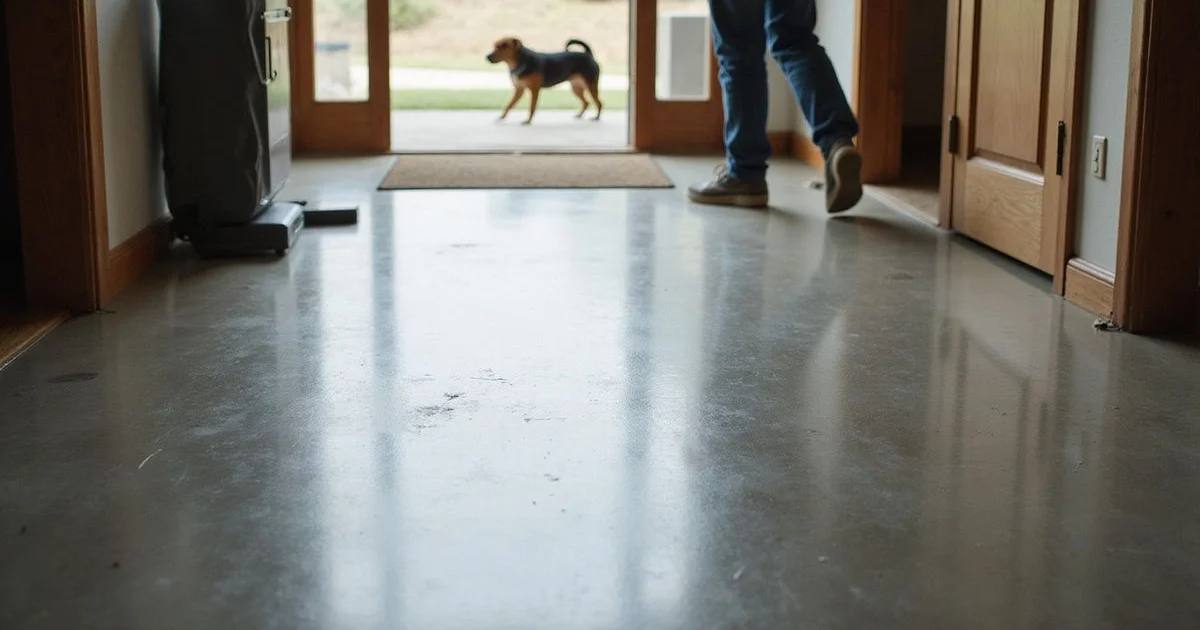
Is polished concrete slippery? When it's dry and clean, it often feels fine to walk on. Grip still depends on the finish, what's on the surface, and whether it's wet. Get it wet, or leave dust, oil, or grit on it, and it gets slippery, but so do polished stone, sealed wood, tile, and vinyl in the same state. No floor is slip proof. A contractor who tells you otherwise can't back it up, and you won't find that claim on our polished concrete pages.
What really affects grip
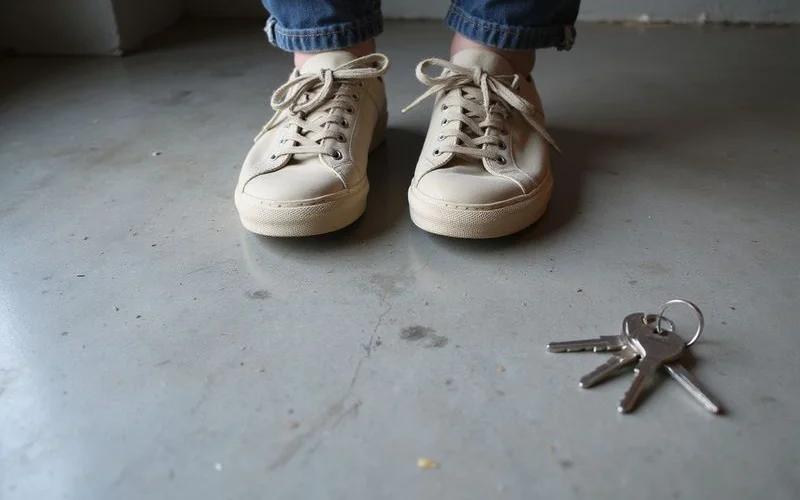
Moisture. Water matters more than anything else: a dry polished floor and the same floor after a spill behave like two different surfaces.
Contamination. Fine dust acts like ball bearings underfoot, and so do oil and the film some cleaning products leave behind. When we get called about a slick floor, a proper cleaning is often the first thing we look at.
Footwear. Dress shoes with smooth soles and bare wet feet grip very differently than rubber work boots on the same floor.
Surface texture. A deeper grind that shows the stone in the concrete has a little more texture than a cream finish, where almost no stone shows. But the difference is smaller than most people think. Shine changes the look far more than the grip.
How people walk. It matters more than a small change in finish. Rushing through an entry with your arms full or cutting a corner fast raises the risk on any floor.
Slip resistance testing in plain language
Slip resistance is measured as a number called the coefficient of friction, which compares the force it takes to slide something across the floor with the force pressing it down. Higher is grippier. Each test standard goes about it a bit differently: some test dry, some test wet, and they use different sleds or a swinging pendulum.
Two things matter when you read a number:
- A dry number tells you nothing about wet performance. Plenty of floors that grip well dry lose a lot of it when wet.
- A test result only tells you about one sample on one day. Your floor’s grip changes with wear, how it gets cleaned, and what gets spilled on it.
That's why we look at how a space gets used day to day instead of quoting a number and calling it done.
Simple steps that make a difference
| Situation | What helps |
|---|---|
| Entries and doorways | Proper mats: long enough for four or five steps |
| Kitchens | Wipe spills fast, put mats at the sink and stove |
| Bathrooms and laundries | Mats, and an honest talk about whether polished concrete fits |
| Retail entries in rain | Runner mats and wet floor signs as a habit |
| Commercial kitchens and back rooms | Think about a textured coating instead of a polished finish |
Dirt and residue make floors slicker
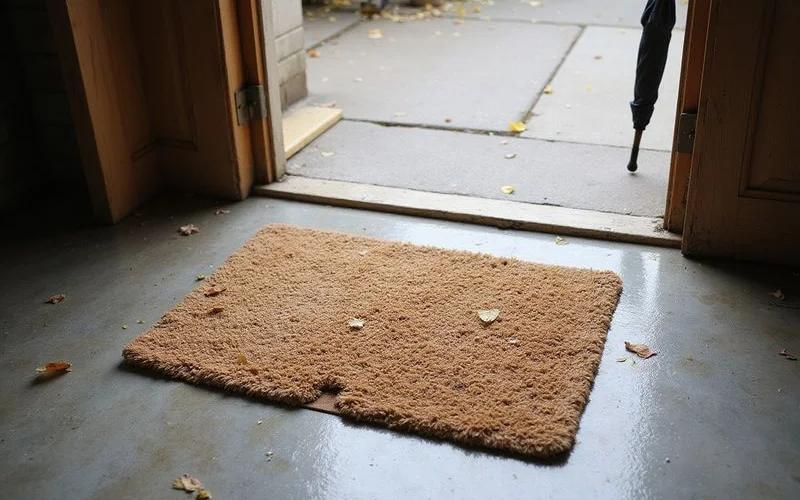
The slickest polished floors we get called out to see are usually the dirtiest ones, or ones treated with a product that left a film. Sometimes what looks like a design problem gets better with the right cleaning.
Treatments that can add grip
A slip resistant treatment on top of the floor can add grip when it's wet. These products work by lightly etching the surface or adding a fine texture, which changes the look and feel a bit and often takes some of the shine off. They also wear off, so plan on reapplying them now and then.
Some spaces need a lot of grip when wet, like a commercial kitchen or an area that gets hosed down. There, we'd point you to a textured resin coating rather than polished concrete with a treatment on top.
Designing for traction, room by room
We'd rather plan for grip up front than fix it later, and every room is different.
Entries. A lot of slips in a building start here, because water comes in on shoes. Matting long enough for four or five full steps usually pulls most of it off before it reaches the polished floor. In a commercial entry, that often means a mat set into a recess in the floor, not a loose doormat.
Kitchens. Water and cooking oil together are the tricky mix. A mat at the sink and the stove, plus wiping spills up right away, cuts down on wet and greasy spots.
Bathrooms and laundries. These rooms are worth talking through before you pick a floor. Polished concrete can work, but where it gets wet a lot, a textured finish, mats, or a different floor is often the better call.
Stairs. We plan stairs on their own, because the front edge of each step and the grip on each tread matter more there than anywhere else in a building.
Commercial kitchens and back rooms. Where water or grease is on the floor every day, a textured resin coating is usually the better choice, and we'll say so rather than force polished concrete to work.
Choosing with your eyes open
Tell us early if grip is a real concern, say for an older person at home, an entry that gets wet, or a food service space. We'll talk it through during the consultation.
The finish, the mats, any treatments, and sometimes a different floor for that one room are all easier calls to make before we start than after. Our finishes guide covers how to pick the finish and the shine level.