Why an epoxy coating is different from polished concrete
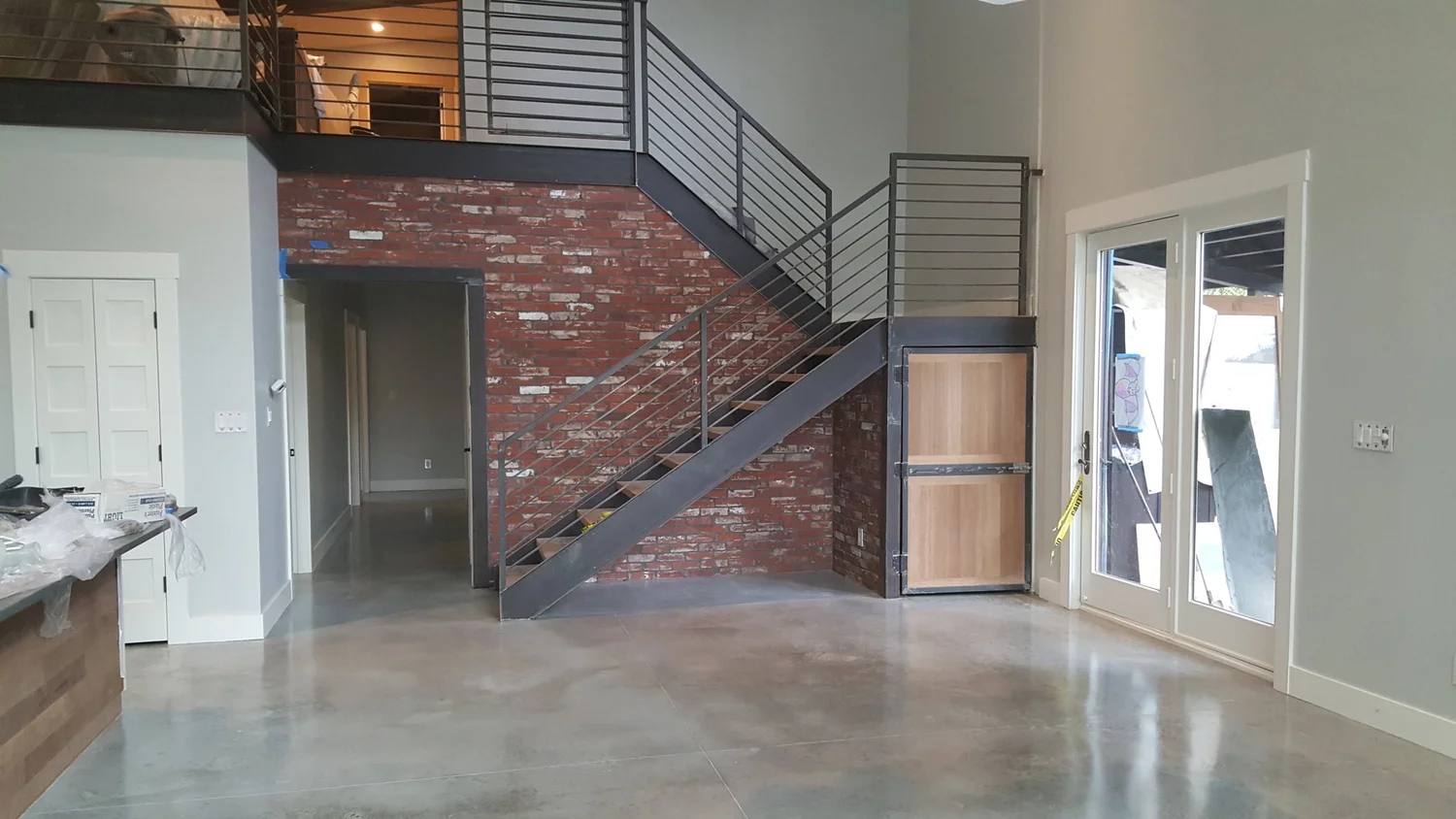
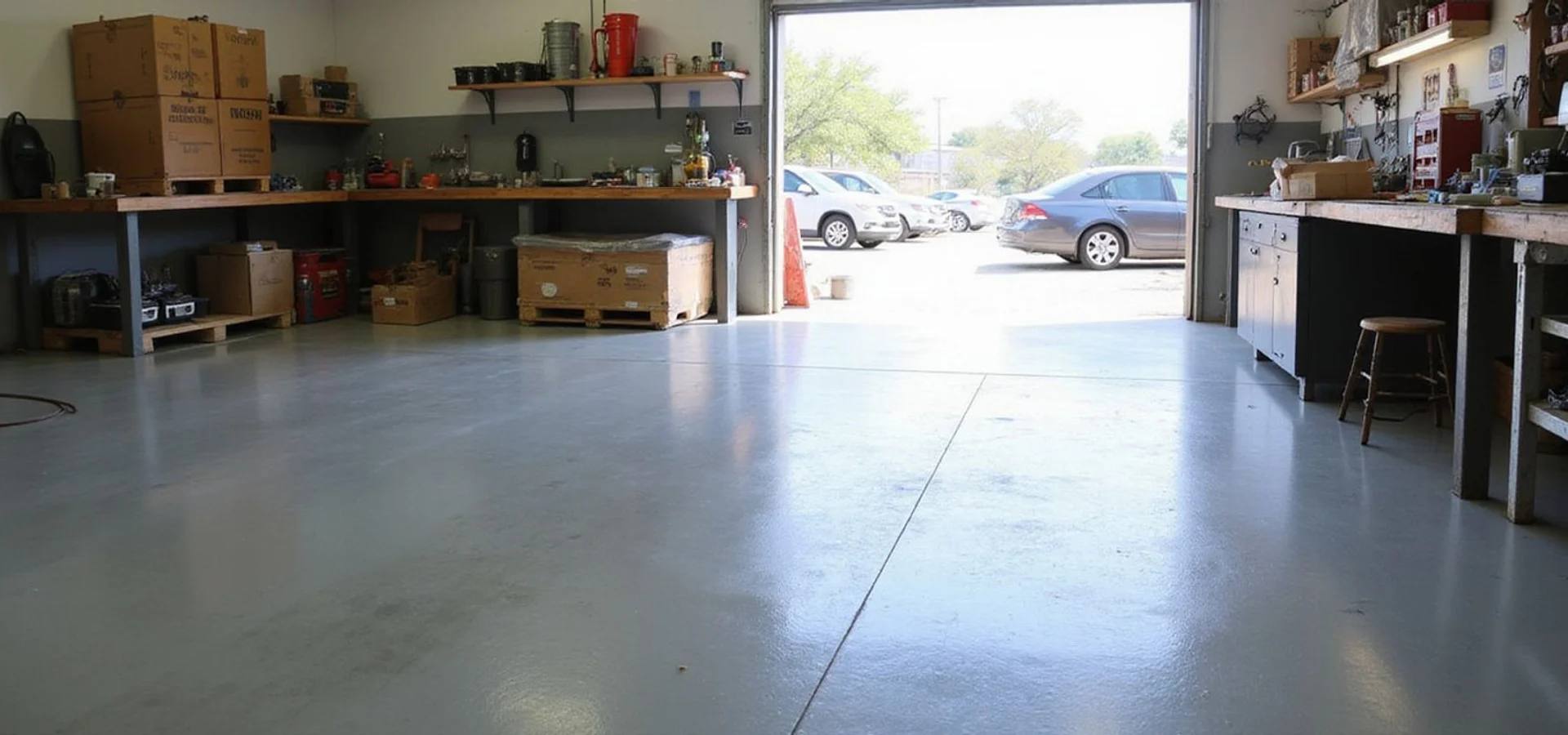
We put down epoxy floor coatings in Austin over concrete we've prepped first, usually by grinding or shot blasting. It's a different approach from the mechanical polishing behind our polished concrete floors in Austin. The finished surface is a film stuck to the slab. That makes it useful in home garages, commercial kitchens, and workshops, and the wrong call in other spaces.
We tell you the exact system, what it's good for, what heat and exposure it can't handle, and how to care for it. We don't pin one product's claims on every epoxy floor, since “epoxy” runs from a thin garage kit to a 100% solids industrial build with a urethane wear coat.
Epoxy is something we offer alongside polishing, not our main line. We recommend it where we think it fits: home garage floors, commercial back of house areas, and workshops across Austin, Round Rock, Cedar Park, and Pflugerville. And we tell you when we think it doesn't.
What goes into an epoxy floor system
Most systems we install go down in layers, and each layer has a job:
- Primer: helps the system grip the prepped concrete. Which primer we use depends on the slab and the product, and some can help hold back moisture coming up through the slab.
- Base coat: the body of the system, tinted when you pick a solid color.
- Broadcast: vinyl flake or quartz tossed into the wet base for texture and looks, and it can add some traction.
- Topcoat: the wear layer. A polyaspartic or aliphatic urethane topcoat is made to resist scuffs better than plain epoxy, can add life to the system, and usually handles sun better.
Dry thickness matters too. If a quote doesn't list the layers and how thick they dry, it's hard to compare it to another bid.
Prep work that helps a coating stay stuck
Most failed coatings we get called out to have let go where they meet the concrete, not in the middle of the layers. That's why we usually prep with machines. Depending on the slab and the product, we grind or shot blast to the texture the maker calls for, then patch pits and cracks before priming.
Moisture is the other common culprit, because Central Texas slabs sit on ground that soaks up water and gives it back. That moisture pushes up through the concrete and can lift even a well applied coating. So when the slab and system call for it, we test for moisture first. Once in a while, that means telling you not to coat that floor at all.
Garage epoxy flooring in Austin
Garage coatings are the most common residential request we get. A layered flake system with a polyaspartic topcoat usually handles hot tires, dropped tools, and road grit better than a one coat kit from a big box store.
Before we start, we go over the exact layers and how long you'll likely wait to walk and park on it. We also talk through how the edge at the driveway will look and how the coating handles sun at the open door. Our garage epoxy and polyaspartic guide covers the rest.
What affects the cost of an epoxy floor?
In 2026, Austin quotes for concrete floor coatings vary for reasons that are easy to miss if you only compare the bottom line.
How we prep the slab. Grinding or shot blasting usually costs more than an acid wash, and in most cases it gives the coating a better grip on the slab. A quote that skips it is often cheaper for a reason.
Slab repairs. We repair pits, chipped spots, and cracks as the slab calls for before coating, and a pitted garage slab can need a fair bit of patching.
Moisture control. If testing shows a lot of moisture coming up, the job may need a moisture blocking primer, depending on the product. That's a real cost a cheaper quote may have just left out.
How we build the system. The number of coats, how much flake goes down, and how thick it dries all change materials and labor.
Topcoat choice. A polyaspartic topcoat made to handle sun usually costs more than a basic finish coat, but it can help a floor in the sun resist turning yellow.
Cove base and detail work. We usually price coating that curves up the wall, and the work around drains and doorways, separately from the open floor.
When does epoxy make more sense than polishing?
Three questions usually settle it. Does something get spilled here that would stain or attack bare concrete? Does the coating need to seal where the floor meets the wall and curve up it? Is the slab a poor fit for polishing to begin with?
A yes to any of those points toward a coating. If it's no to all three, and people will live in or walk through the space for years, that usually points to mechanical polishing instead. Polishing tends to take less upkeep over time, and there's no coating film to peel.
We install both, so we'll name the system and tell you why instead of pushing whatever we'd prefer to sell.
Epoxy vs polished concrete, side by side
Here's the honest comparison, from jobs across Austin, Lakeway, and nearby Central Texas towns:
| What to compare | Epoxy coating | Mechanical polishing |
|---|---|---|
| What you get | A film stuck to the slab | The slab itself, ground smooth and hardened |
| Chemical resistance | Strong, but it varies by system | Concrete still soaks things up, and acids etch it |
| Repair | Patch or recoat the affected area | Polish the spot again, and it often blends in |
| How it fails | Peeling, lifting, bubbling | Wears and dulls, and buffing usually brings it back |
| Upkeep over the years | Recoat when it wears | Cleaning plus machine buffing every so often |
| Best fit | Garages, areas that get hosed down, chemical spills | Living spaces, retail, offices, warehouses |
The longer version, with the pros and cons spelled out, is in our polished concrete vs epoxy guide. If you're torn between the two for the same space, read it before you get quotes, because it'll change the questions you ask.
Every project starts with an on-site evaluation. Actual scope, pricing, and expected results depend on your specific substrate condition, environment, and project requirements. The website describes our services in general terms. Your signed proposal governs the actual work.