

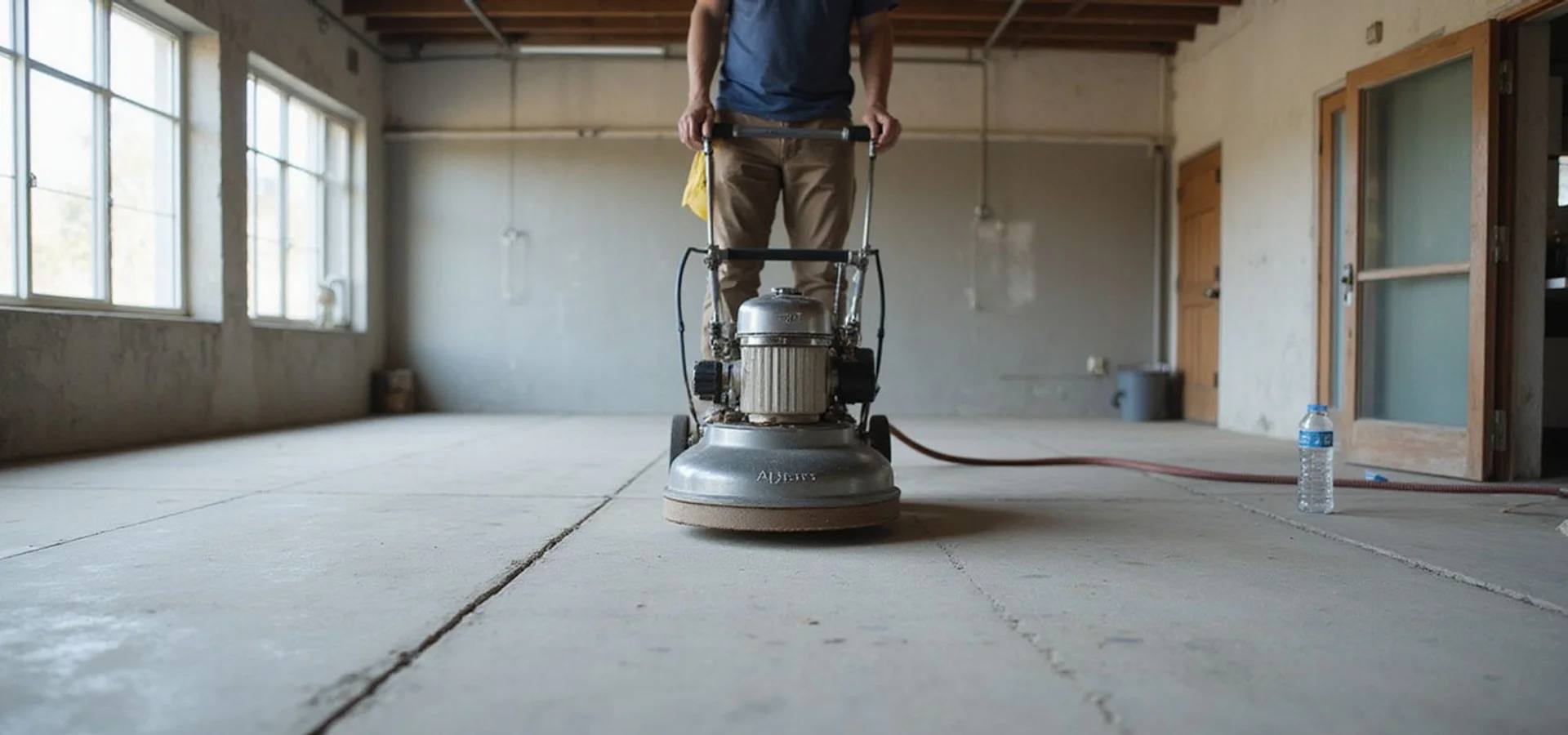
Example work: worker pushing a floor grinder across a bare concrete slab in an empty building
Our main trade

Concrete Polishing for Austin Homes and Businesses

We do concrete polishing in Austin on slabs that can take it, grinding and polishing toward the finish we agree on with you.

  • Local to Austin, 20+ years in the trade
  • We check your slab before we quote
  • Your finish and scope in writing
  • More than 20 years in the concrete trade
  • An estimator reviews your project
  • A written scope for your project
  • Austin and the Central Texas towns we cover
Polished Concrete Questions

Sound Familiar?

Here's what Austin home and business owners usually ask us before they commit to polished concrete.

Every contractor calls something different "polished concrete"

Mechanical polishing, grind and seal, and a glossy coating often get sold with the same photos. They wear differently, and we want you to know which one you're buying before you sign anything.

A grit number sounds precise, but it isn't a promise

Shine depends on how hard the slab is and on any hardener we use, not just the grit. We pick the look with you, often from a sample, not from a number on a spec sheet.

You can't tell if a slab is a good candidate until we grind it

Glue, tile mortar (thinset), cracks, and old repairs hide under flooring, so a test area we grind on your own concrete tells you more than any brochure.

Cracks from Central Texas clay worry most owners

Our clay soil swells when it's wet and shrinks when it dries, and that moves slabs. We can repair cracks before polishing, but polishing won't make them go away.

Whatever the worry, we start the same way: we check the slab first, then recommend the system we think fits it best.

Send us photos of your slab

What Makes Mechanical Polishing Different from a Coating?

Polished concrete, the way we do it, is a mechanical process and not a coating. We grind home and business slabs with diamonds, usually harden the surface so it resists wear better, then polish it with finer and finer diamond pads. The shine you end up with is the concrete itself. Unless you add a protective coat, there's no film on top to scratch through or peel away.

That difference matters more than any other choice on this page. Mechanical polishing is how we do all of our polished concrete floors in Austin. A glossy coating can look similar on day one and behave completely differently in year three. When a contractor says “polished concrete,” ask what they mean. Is it a floor ground finer and finer and hardened from the inside, or a ground floor with a sealer rolled over it? Both are real products, but they aren't the same purchase.

Before work starts, we agree on the prep, how much stone shows, the shine we'll aim for, any color, and any protective coat. When the job calls for it, we do that from a sample or mockup, so you can see the look before we start. A midcentury ranch remodel in South Austin and a new custom home in Dripping Springs call for different conversations. Working on an existing slab is one job, and planning for a new pour is another.

Aggregate Exposure and Sheen Are Two Separate Choices

Mixing these two up is behind a lot of the letdowns we hear about.

Aggregate exposure is how much of the stone in the concrete shows, and it's set by how deep the first grinding pass cuts:

  • Cream: very little stone shows, just the smooth top layer of the slab. It needs a flat, carefully finished pour to look even.
  • Salt and pepper: a fine, even scatter of sand and small stone. It's the most forgiving option on a remodel slab.
  • Exposed aggregate: a deeper cut that shows larger pieces of stone, sliced open. It needs the right kind of stone close enough to the surface, and not every slab has that.

Sheen is how much the floor reflects light, and it mostly comes down to how far we take the polishing: matte, satin, or high gloss. Depending on the slab, you can have a matte floor with lots of stone showing, or a high gloss cream floor. Picking one doesn't pick the other.

Color is a third choice, separate from both, and we can add dyes and stains along the way. It's worth knowing the difference between polishing and staining before you commit.

How Diamond Grinding and Hardening Work on Site

On a typical job we go in this order: prep, cutting down to the stone you picked, hardening, honing and polishing, then any protective coat you chose. Most buildings around Central Texas sit on a slab poured right on the ground, so we adjust each stage to that concrete and the soil under it.

Prep is the least exciting stage, and usually the one that matters most. Depending on the slab, it can mean pulling up tile, carpet, glue, or an old coating, then repairing cracks, trenches, and patches. We also decide whether the saw cut lines in the slab, called control joints, need a firm but slightly flexible filler.

Hardening is usually what separates a polished floor from one that's only been ground. On most polishing jobs we put down a lithium or sodium silicate hardener, called a densifier, that soaks in and reacts with the concrete. The reaction makes the surface harder, so the polishing that follows can bring out a clear shine and not just a smooth floor. And on a floor that takes a beating, that harder surface is built to hold up better.

Dust control depends on the job and the space, and it often means HEPA dust extraction on the grinders and a closed off work area. In a home you're living in or a business that's open, we'll go over the dust plan with you during the consultation.

How Much Does Concrete Polishing Cost in Austin?

We don't post a flat price per square foot, because two floors the same size can need very different amounts of work. A home slab of 1,200 square feet in Westlake is a different job from a warehouse floor of 5,000 square feet in Round Rock. A retail showroom in Cedar Park is different again. Here's what actually moves the price:

FactorWhy it changes the price
Existing flooring removalPulling up tile, carpet, and glue is labor before polishing even starts
Slab condition and repairsCracks, trenches, patches, and chipped or flaking concrete all add prep work
Aggregate exposureA deeper cut means more passes and more tooling wear
Sheen levelMore shine means more polishing passes
Edge and detail workPerimeters, stairs, and tight rooms are slower than open floor
Access and phasingUpper floors, tight parking, and after hours work all add time
Color and treatmentsDyes, stains, and protective coats are extra steps

Our Austin polished concrete cost guide has the full breakdown, including how to read what a quote covers and what it leaves out.

How We Compare

FactorWhat We Often See ElsewhereAustin Polished Concrete Floors
Before the quoteQuoted from photos or area aloneA test grind on site when the slab calls for one
How the finish is written upA grit number on the quoteWritten scope covering stone exposure, sheen, hardener, and what's left out
Dust managementBasic extractionA dust plan for the job, often with HEPA grinders and closed off work areas
Honest alternativesPolishing pitched no matter the slabWe point you to an overlay or epoxy when the slab suits them better

When a Different Flooring System Fits Better

Polishing isn't always the right answer. If the slab is badly damaged, heavily patched, or too soft to take a finish, a polishable overlay can give you a fresh, even surface instead. That's a thin new layer of concrete we put over the old slab and then polish.

Workshops, garages, and some commercial kitchens need a floor that stands up to chemicals and keeps liquids from soaking in, which is where an epoxy system can fit better. If a slab can't take full mechanical polishing and you still want gloss, grind and seal is a fair middle ground. Plan on recoating it down the road, though.

We'd rather tell you that on the first visit than after the tooling shows up.
What's different

Why Choose Us for Polished Concrete

Polishing is our specialty

This is our main trade, not a side job tacked onto a general flooring business. Over the years we've learned what the tooling can and can't do on a given slab.

We test when the slab calls for it

If your slab needs one, we grind a test area on your concrete before we agree on a finish. That way the slab sets the expectation, not a photo.

We tell you which system fits

If the slab suits grind and seal or a polishable overlay better than full mechanical polishing, we say so and explain why.

We put the finish in writing

Stone exposure, sheen, hardener, coatings, and what's left out all go in the scope. A grit number alone doesn't tell you what you're getting.

We plan for the dust

Grinding concrete makes fine dust. Depending on the job, that can mean HEPA extraction at the grinder and a closed off room to help keep it from spreading. We'll go over the plan during the consultation.

We walk you through care

When the job is done, we walk you through care, cure times, and upkeep in person, and we're available after the job if you have questions or concerns.

Process

How Our Polished Concrete Jobs Usually Run

  1. 1

    Slab check

    Depending on the slab, we look at things like hardness, how deep the stone sits, flatness, oil or other contamination, cracks, and old repairs. When the job calls for one, a test area shows what the concrete can really turn into.

  2. 2

    Preparation

    Old flooring, glue, and coatings come up first. Then we deal with cracks and holes the way that slab needs and check whether the joints need filling.

  3. 3

    Grinding down to the stone

    We usually start with coarse diamonds set in metal and cut toward the amount of stone you picked: cream, salt and pepper, or exposed aggregate.

  4. 4

    Hardening

    When the slab and the system call for it, we put down a silicate hardener, which soaks in and helps the surface resist wear.

  5. 5

    Honing and polishing

    Then we switch to finer and finer diamonds set in resin, working toward the sheen you picked. The shine usually gets clearer with each pass.

  6. 6

    Protection and walkthrough

    Last comes any protective coat you chose. We look over the floor with you, then walk you through care, cure times, and upkeep in person.

Wondering if your slab can be polished?

Send us the floor area, how you use the property, and a few slab photos. One of our estimators usually looks it over within 24 business hours, before anyone starts talking about shine.

Finish Library

What Polished Concrete Looks Like

These are example work photos. They show the kinds of finishes and process we do, not a specific customer's project. We add real photos to our project library as we write up jobs, with each customer's permission.

Results vary by substrate condition, prep requirements, environment, and product selection.

Feedback

Feedback on Our Polished Concrete Work

Here's what some of our customers have said.

“Honest and straightforward. They tested our 1980s slab, showed us a sample mockup, and explained why polishing suited our open living space better than epoxy.”
Sarah L. South Congress, Austin
“As a commercial GC, it's rare to find a flooring trade in Austin that explains the prep and testing this well. They kept us updated on the schedule the whole way through.”
Travis B. Austin
“We removed dated tile in our Barton Creek remodel. The team prepped the uneven slab, walked us through our options, and we ended up with a satin cream finish we really like.”
David & Michelle R. Barton Creek, Austin

Individual results vary based on use, maintenance, and environmental conditions.

Got Questions?

Polished Concrete FAQs

How is mechanical polishing different from grind and seal?

Grind and seal gets its shine from a coating on top, and that coating scratches and wears over time. With mechanical polishing, we usually harden the concrete itself and polish it with finer and finer diamonds. The shine comes from the slab, not a film on top.

Can concrete with old tile or carpet glue be polished?

Often, yes. Our diamond tooling can grind off glue, thinset, and mastic, but how the floor turns out depends on the slab's condition and how deep the stone sits. We check the slab first and tell you what we think is realistic, and sometimes a polishable overlay is the better way to go.

What affects the cost of polished concrete in Austin?

The big ones are floor area, pulling up old flooring, slab condition and repairs, edge work, and access. How much stone and shine you want, color, protective coats, and working in phases matter too. We share what drives the cost instead of flat rates we can't back up. We quote each project on its own scope, and your signed proposal spells out what's included.

Are polished concrete floors slippery?

Traction depends on the finish, what's on the floor, and whether it's wet. No floor is slip proof, and water, dust, and spills make any floor slicker. We talk through traction for how you'll use the space during the consultation.

How long does a polished concrete floor last?

We won't put a number on it, because that comes down to traffic, upkeep, and the slab itself. Polishing works the concrete itself instead of coating it, so unless you add a protective coat, there's no film to peel or lift. Regular cleaning and a high speed buff now and then usually keep it looking good, without stripping and recoating.

Does a higher grit guarantee a shinier floor?

No. Finer polishing does raise the shine, but the slab's hardness and the hardening step matter just as much. That's why we pick the look with you, often from a sample, not from a grit number.

Will polishing hide cracks in my slab?

We can fill cracks before polishing, but they'll usually still show. Central Texas clay moves, and that can open them back up. When the job calls for it, we can show you a repaired test spot before you commit, so you can see how it looks first.

Can you polish concrete in an occupied building?

In most cases, yes. Depending on the job, we can close off the work area, use HEPA dust extraction, and work in sections so you can keep using the rest. For a business, we can plan the schedule around your open hours when that's needed.

Still have a question about your floor?

Send it our way, with photos if you have them. We'll get back to you as soon as we can with a straight answer, whether or not you hire us.

Get My Polished Concrete Quote

Try Our Free Polished Concrete Area & Scope Estimator

Use this polished concrete area estimator to size your project by floor area, finish, and slab condition, then ask for an itemized quote.

Use the Estimator
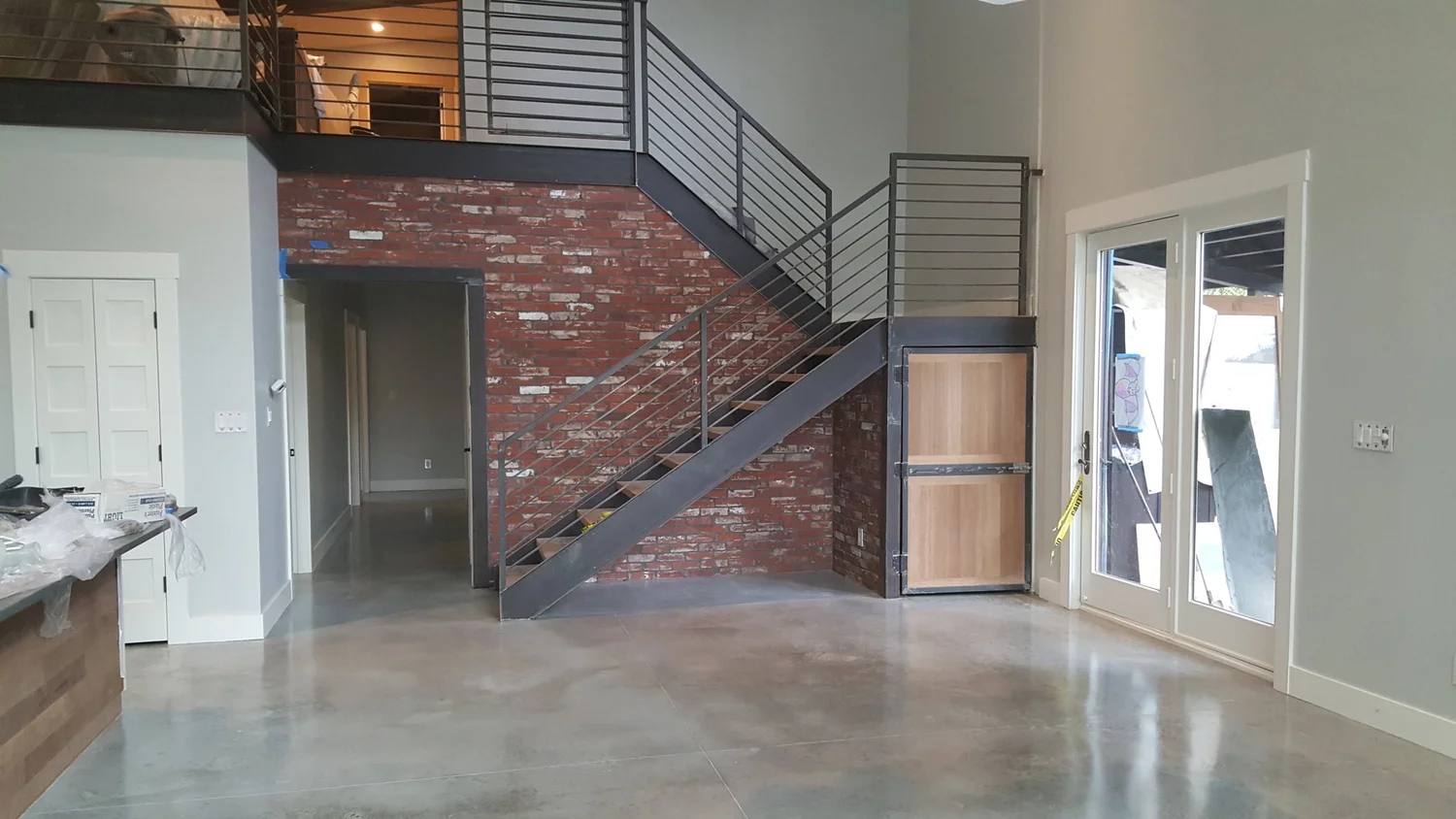
Reflective gray polished concrete floor in a new home beside a brick wall and metal staircase
An estimator reviews your project

Ready to talk about polished concrete?

Send a few slab photos and your floor area. We'll look them over and let you know what we'd want to check on site.

  • We check your slab before we quote
  • Your signed proposal spells out what's not included
  • We walk you through care in person when the job is done
(737) 788-SLAB Request a Quote