
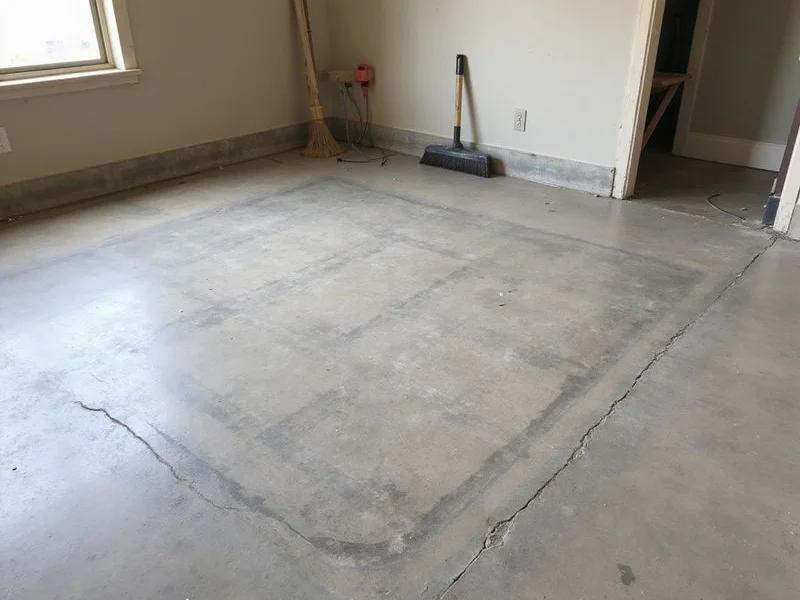
Example work: bare concrete slab with a square outline from old flooring and long cracks before grinding

Austin Concrete Overlays and Resurfacing

We put down concrete overlays in Austin for slabs that can't be polished as they are, including polishable overlays where they fit.

  • Local to Austin, 20+ years in the trade
  • We check your slab before we quote
  • Your finish and scope in writing
  • More than 20 years in the concrete trade
  • An estimator reviews your project
  • A written scope for your project
  • Austin and the Central Texas towns we cover
Overlay Questions

Sound Familiar?

Here's what Austin owners and buyers usually ask us before they commit to an overlay.

Your slab is too damaged or patched to give you a finish you'd like

Trenches, old repairs, and mismatched pours can show through when you polish the slab as is. An overlay can trade that history for a more even surface.

Not every resurfacing product can actually be polished

Self-leveling underlayment and microtoppings aren't made to be ground, so we tell you plainly which products are true polishable overlays.

Worried an overlay is just papering over a bigger problem

An overlay resurfaces a floor, but it won't fix a slab that's moving, and we'll say so before we recommend one.

An overlay changes floor height

Door gaps, thresholds, and the spots where floors meet all shift. We plan the new floor height before we pour, not after.

Whatever the worry, we start the same way: we check the slab first, then recommend the system we think fits it best.

Send us photos of your slab

When your slab won’t deliver the floor you want

Some slabs aren't a good fit for the straight mechanical polishing behind most polished concrete floors in Austin. For those, concrete resurfacing with a polishable overlay can give you a fresh, more even surface. We check slabs for overlays and put them down across Austin. We'll tell you whether we think your slab can take one, what it's good for, and what look to expect. And we'll be just as clear about what it can't do.

The call usually comes at the end of our slab check. Say the tile comes up, we grind a test area, and what's underneath is a patchwork. There's a trench from a plumbing repair, an addition poured a decade later in another color, and glue stains that won't grind out at the agreed depth. Polishing that floor is possible, but liking the result is a different question.

An overlay gives up the slab’s history in exchange for a more consistent floor. That's the whole deal, and it's a fair one for plenty of Austin properties, from midcentury slab homes around South Congress to commercial buildings in Round Rock and Cedar Park.

Types of resurfacing and why the difference matters

Not every topping can be polished. We keep polishable overlays apart from other resurfacing products so you know what the finished floor can become:

  • Polishable cement overlay: made to be the floor you walk on, poured thick enough to grind, and finished with diamond passes much like a slab.
  • Self-leveling underlayment: made to go under another floor. It levels well, but it isn't built to be the finished surface.
  • Microtopping: a thin decorative concrete coat, often with a troweled texture. Good for decorative looks, not for deep grinding.

Ask any contractor which of the three they're quoting, because if the answer is vague, it's hard to know what floor you'll get. Our polishable overlays guide covers the differences in full.

Can your slab take an overlay? What we test first

An overlay is only as good as the concrete it's stuck to, and good prep has a lot to do with whether it stays stuck. Before we recommend one, we usually look at:

CheckWhy it matters
Is it solid, and will things stick?A surface that's flaking off or crumbling can't hold an overlay. When bond is in doubt, a pull off test can help settle it
MoistureMoisture coming up affects how well it sticks and how the overlay dries
Existing coatingsSealers, glue, and old paint usually have to be ground off first
Moving cracksA crack that's still moving can show through the overlay. We handle cracks that aren't moving another way, depending on the slab and the system
Floor heightThe added thickness has to work with doors, thresholds, and the floors next to it

Honest limits for Austin properties

An overlay changes the surface, not the structure, so it won't stop a slab from moving underneath. Central Texas clay swells and shrinks, so slabs flex with the seasons, and a moving crack can come back through a topping. If the movement looks serious, we'll tell you to get a structural engineer out before you pick any finish. We cover the local story in our guide to polishing concrete over Central Texas clay.

There are practical limits too: how thin and thick the product can go, drying time before we grind, and the tapered edges where it meets other floors. We plan for those up front and go over them during the consultation.

What a concrete overlay project costs

We price overlays differently from polishing, because you pay for the material and the pour as well as the finishing. Homes and commercial jobs differ too, since an apartment hallway or retail showroom usually has access and scheduling limits that a single family home in Georgetown or Pflugerville doesn't.

Prepping the slab. Pulling up the old flooring, roughing up the concrete, and any repairs the slab needs, all before the overlay goes down.

Material and thickness. How much product we use depends on the thickness the system calls for and how much leveling the floor needs.

Site conditions. The size of the space, room to mix and pump, and whether we can pour the floor in one go all affect labor.

Cure time. The overlay has to cure before we can grind it. That's waiting time rather than labor, but it still affects the schedule and when you can use the space.

Finishing. From there it's priced like a polished slab: how much stone shows, how much shine, any lithium silicate hardener, and any protective coat. Our cost guide has typical 2026 Austin price ranges.

An overlay usually costs more than polishing a sound slab and less than replacing the floor.

When do you need an overlay?

Ask three questions. Did a test grind show a slab you wouldn't be happy living with? Is the problem built into the concrete, like several pours, heavy patching, or deep stains, and not something grinding will fix? And do you care more about an even look than the original slab's character?

Three yes answers point to an overlay. Two or fewer usually means polishing the slab you have is the better route, and often the cheaper one. We walk property owners across the Austin area through the same check, from a ranch home in Lakeway to a commercial space in Pflugerville.

Polish, overlay, or epoxy?

If your slab can be polished as is, we'll steer you there. Our polished concrete page covers what direct polishing involves. If the space needs to resist chemicals or needs a surface with no seams that curves up the wall, epoxy is usually the better fit. An overlay sits in the middle, and we'll help you figure out which route your slab needs.

How our overlay approach compares

FeatureWhat We Often See ElsewhereAustin Polished Concrete Floors
Slab checkOften just a lookBond, moisture, and moving cracks checked as the slab calls for, with pull off tests when bond is in doubt
Naming the polishable overlayOften lumped in with general resurfacingNamed separately from underlayments and microtoppings
Planning floor heightOften dealt with during the installDoor gaps and floor edges planned before we pour
Telling you the limitsOften after you've signedHonest limits explained before we recommend anything

Every project starts with an on-site evaluation. Actual scope, pricing, and expected results depend on your specific substrate condition, environment, and project requirements. The website describes our services in general terms. Your signed proposal governs the actual work.
Differentiators

Why Choose Us for Concrete Overlays

Polishable overlays named separately

Only certain toppings are made to be ground and polished. We tell you which system is going down and what it can become.

Slab checked, not guessed at

Before we put anything over your floor, we check for bond, moisture, and moving cracks, with testing as the slab and product call for.

Floor height planned up front

An overlay raises the floor, so we work out door gaps, thresholds, and floor edges before we pour, not after.

Straight talk about limits

An overlay won't stop a slab from moving, and we won't sell it like it does.

Finished like a polished slab

Polishing is what we do, so we finish overlays with the same care as our slab work.

Recommended only when it fits

If your slab can be polished as is, that's usually the better and cheaper answer, and we'll tell you so.

Process

How Our Overlay Work Runs

  1. 1

    Slab check

    We look at how solid it is, how well things will stick, moisture, old coatings, and moving cracks, testing as the job calls for. If the slab underneath is failing, an overlay won't save it.

  2. 2

    Pick the system

    Polishable overlay, self-leveling underlayment, or microtopping. We pick by what the finished floor needs to do.

  3. 3

    Rough up and prime

    We grind the concrete to the texture the product needs, then put down the primer or bonding coat the maker calls for. Prep and primers vary by slab and product.

  4. 4

    Pour the overlay

    We pour it within the thickness range the system allows, with the finished floor height and edges planned first.

  5. 5

    Cure and grind

    Once it cures, we grind and polish it like a slab, aiming for the stone look and shine we agreed on, often shown on a sample.

  6. 6

    Protect and hand over

    We put down any protective coat we agreed on. When the job is done, we walk you through overlay care in person, which isn't the same as care for ordinary concrete.

Can your slab be polished as is, or does it need an overlay?

Send slab photos and floor area. One of our estimators usually looks at it within 24 business hours and tells you which route fits.

Feedback

What Our Customers Say

Here's what some of our customers have said.

“Honest and straightforward. They tested our 1980s slab, showed us a sample mockup, and explained why polishing suited our open living space better than epoxy.”
Sarah L. South Congress, Austin
“We removed dated tile in our Barton Creek remodel. The team prepped the uneven slab, walked us through our options, and we ended up with a satin cream finish we really like.”
David & Michelle R. Barton Creek, Austin
“As a commercial GC, it's rare to find a flooring trade in Austin that explains the prep and testing this well. They kept us updated on the schedule the whole way through.”
Travis B. Austin

Individual results vary based on use, maintenance, and environmental conditions.

Got Questions?

Overlay FAQs

What is a polishable overlay?

A cement based topping made to be ground and polished like a slab. It goes over prepped concrete to give you a fresh, more even surface when the floor you have can't be polished into something you'd accept.

Can any resurfacing product be polished?

No, only overlays made for it can be ground and polished well. Other toppings and underlayments are made for different finishes and won't take to diamond grinding the same way.

Will an overlay stop my slab from cracking?

No. It won't fix a slab that's moving underneath. If a crack is still moving, and Central Texas clay keeps plenty of them moving, it can show through. We check for that before we recommend an overlay.

When is an overlay better than polishing the existing slab?

When the slab is heavily patched, trenched, badly stained, or too soft, or when its color and stone are too uneven for a finish you'd be happy with. An overlay trades the slab's character for a more even look.

How much does an overlay raise the floor?

That comes down to the system's thickness range and how much leveling your floor needs. We plan door gaps, thresholds, and where it meets the floors next to it before we pour, so you know up front if a door needs trimming.

How do you prep and bond an overlay?

We usually grind the concrete to the texture the product needs, clean it, and put down the system's primer or bonding coat. If the bond is in doubt, a pull off test can give a clearer answer before we commit. Prep, primers, and bond tests depend on the slab and the product, and we'll go over them during the consultation.

Does an overlay look like real concrete?

It usually looks like very consistent concrete, more uniform in color and stone than a natural slab. Some people like that even look, while others want the character of the original floor. Seeing a sample usually settles it.

How much do concrete overlays cost in Austin?

We price it by slab prep, the material, how thick it needs to be, site conditions, and the finish you pick. An overlay project in Austin usually costs more than polishing a sound slab and less than replacing the floor. Send us your floor area and a few slab photos, and we'll go over pricing for your project during the consultation.

How long will a concrete overlay last?

How long it lasts comes down to the overlay system, how well it's bonded, how much traffic it gets, and upkeep. A polishable overlay that's well bonded to a solid slab and cleaned with neutral pH products can last a long time. We look at your site before we talk about what to expect from yours, because every slab in Central Texas is different.

How do I care for a polished overlay?

Much like a polished slab: dust mopping, neutral pH cleaning, no waxing or stripping, and quick cleanup of acidic spills. When the job is done, we walk you through care for the exact topping in person, and we're available after the job if you have questions.

Still have a question about your floor?

Send it our way, with photos if you have them. We'll get back to you as soon as we can with a straight answer, whether or not you hire us.

Get My Concrete Overlay Quote
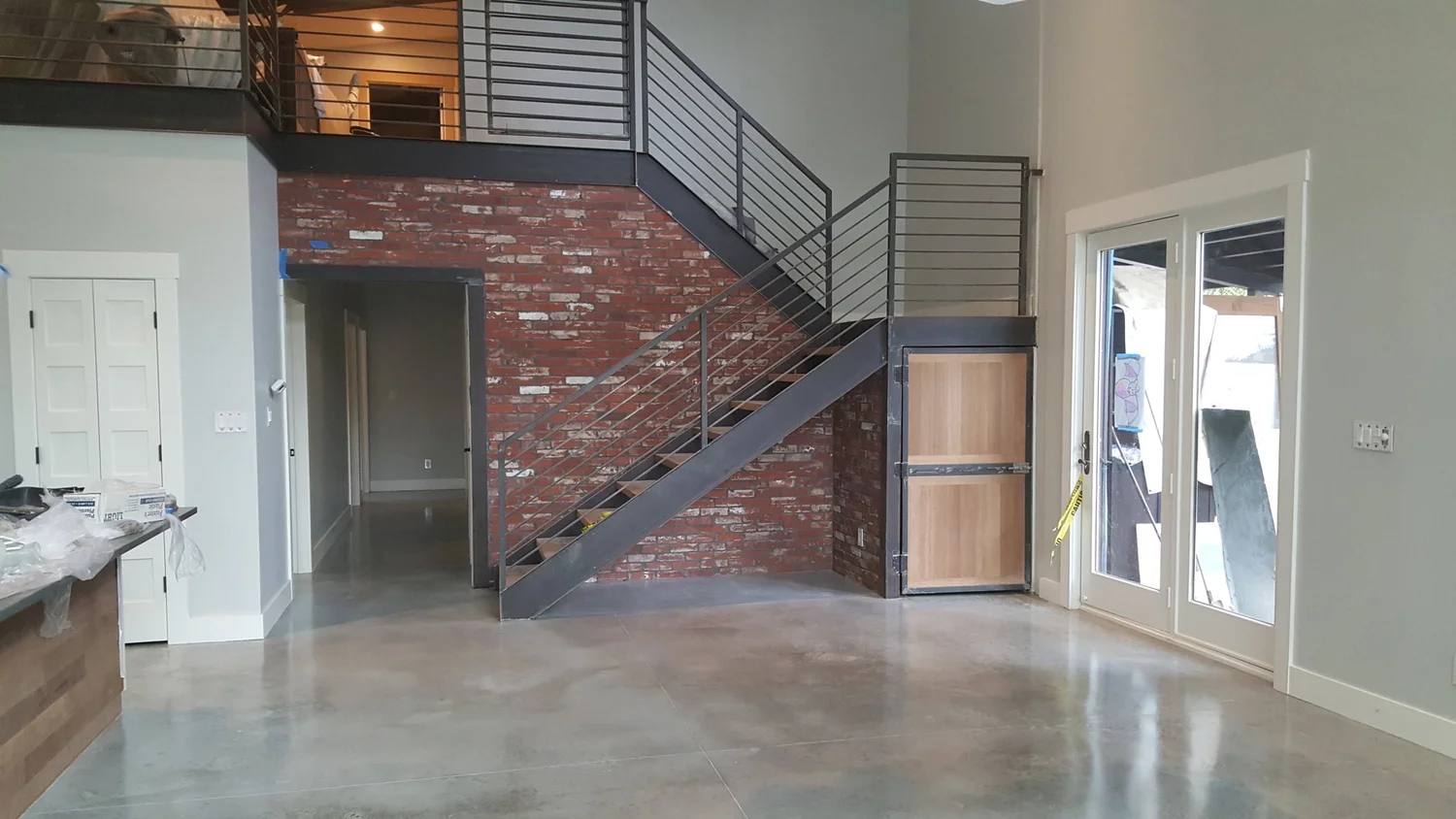
Reflective gray polished concrete floor in a new home beside a brick wall and metal staircase
An estimator reviews your project

Ready to talk about an overlay?

Send a few slab photos and your floor area. We'll look them over and let you know what we'd want to check on site.

  • We check your slab before we quote
  • Your signed proposal spells out what's not included
  • We walk you through care in person when the job is done
(737) 788-SLAB Request a Quote