

The plan matters more than the machine
Picking the right materials is the easy half of commercial polishing project planning. The hard part is getting your commercial polished concrete done without shutting down your whole building.
We see projects go wrong when contractors ignore foot traffic and business hours. With people in the building, the plan has to fit your real hours as well as how fast the grinder moves. This guide covers the planning steps, the dust control the law requires, and the dates you should lock in before you sign a quote.
Site walk: the questions that shape everything
A good site walk helps head off expensive surprises. Before a single machine shows up, we usually check a handful of things that can change the schedule and the price.
Getting in and power
Getting the machines inside takes some planning. We'll usually measure door widths and check elevator size and weight limits, because they decide which machines fit. A store upstairs with only a passenger elevator needs a totally different approach than a warehouse at ground level with a loading dock.
Big industrial grinders also draw a lot of power, and our crews usually need 480V, 3 phase power to run them well. We look at your power supply early to see whether we'll need generators.
Work zones and who's in the building
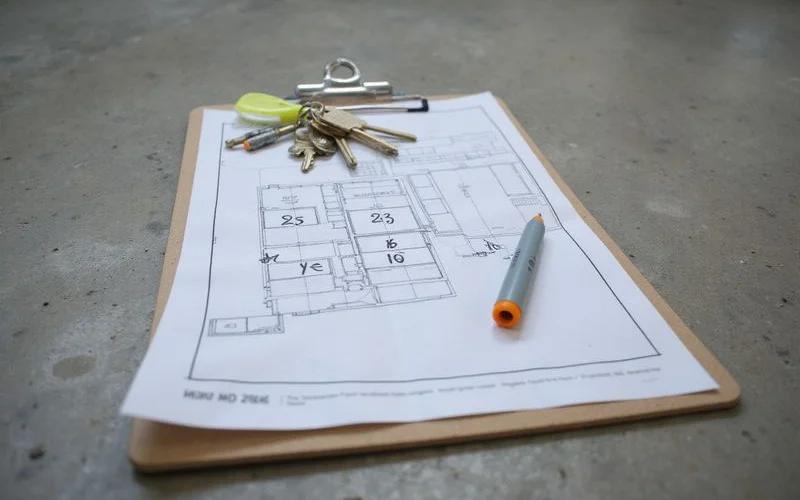
Closing the whole building is rarely an option. Once you tell us which areas have to stay open, we can draw a zone map and build the schedule around it, aiming to keep your business running. Every facility has a quiet window. It might be a shift change, the gap between deliveries, or the overnight hours. When the job allows, we plan the heaviest work for those windows, which can cut daily disruption and may save you money.
What shape the slab is in
Whatever coating is on the floor now decides how we take it off. So we look for hidden layers before work starts, though some only show up once grinding begins. Thick epoxy patches or old black tile glue (cutback adhesive) usually take heavy grinding and extra days to remove.
Phasing an occupied building
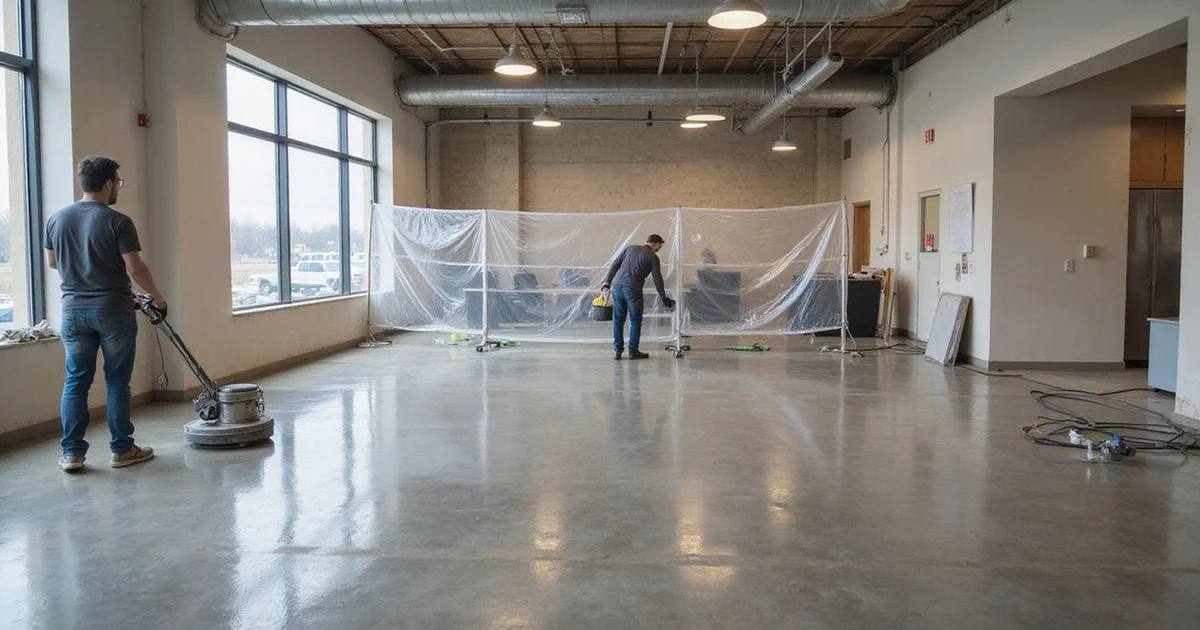
Phasing means splitting the floor into closed off zones and finishing each one before moving on. It costs a bit more than working in an empty building because we set up and pack up more than once. But it can pay off, since you can keep your doors open while we work.
How much floor a crew finishes in a shift depends on the slab, the finish you want, and the machines. We estimate downtime from what we find on your slab instead of hopeful guesses, and we'll go over it during the consultation. An empty warehouse of 5,000 square feet might take a long weekend. An occupied building of 10,000 square feet usually needs night shifts done in phases.
What makes phasing work:
- Zone edges should follow natural breaks like aisles, columns, and the joints already cut in the slab.
- Each zone gets a planned time when you can use it again, not just a vague start date.
- We overlap the edges between zones with care to help them blend as closely as the slab allows.
- Finished walkways need a cover before heavy equipment rolls over them.
Retail work usually happens overnight. In distribution centers, we can often work around loaded racks and forklift paths. Office buildouts tend to follow the construction schedule rather than a fixed date.
Dust control in practice
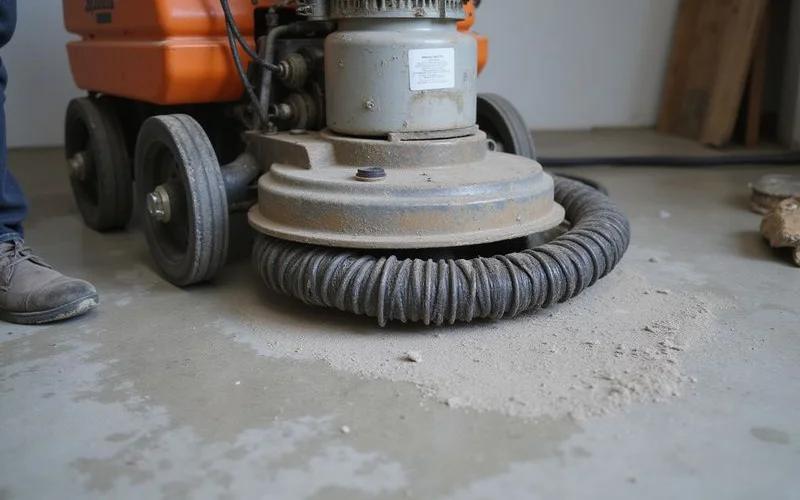
Grinding concrete makes fine dust, and it can settle on stock, shelves, and equipment. A regular shop vac isn't built for dust that fine.
Depending on the job, we may hook a dust extractor straight to the grinder to catch most of the dust where it's made. We may also wall off work zones to help keep dust off your stock. If your building shares one central HVAC system, we can work with your facility team to close off that zone and help keep dust out of the vents. Some dust can still get out, so we'll talk through what to move or cover during the consultation.
Ask how the dust gets handled
A shop vac and a dust extractor built for grinding are very different tools. Ask any contractor what equipment they'll use in your space and how they'll build the barriers around each zone.
When you get the floor back: set a real number
A zone goes back to normal use once the last product we put down has cured enough to take traffic, so the timing depends on the chemicals and steps involved. Hand a zone back too early and you can ruin the new finish for good.
You need hours you can plan shifts around, so we put estimated cure times for each zone in the plan. Temperature and the product can change them. If a guard sealer needs 48 hours to cure before forklifts can drive on it, we'll tell you that when we quote.
| Part of the job | How it affects when you get the floor back |
|---|---|
| Mechanical polishing only | Usually ready to walk on right after the last grinding pass and cleanup. |
| Hardener, also called densifier, such as a lithium or sodium silicate | When the job uses one, it goes on partway through and dries fast. Most floors can take foot traffic within about an hour, though full water resistance can take about a week. It usually doesn't hold up handover. |
| Protective coat or guard sealer | Depends on the product. Some are ready for traffic an hour after the last buffing pass, and others need a day or more. |
| Filling joints with polyurea, a firm but slightly flexible filler | Usually cures fast. Many take full traffic in about an hour, depending on the product and the temperature. |
| Color or dye | Usually goes on during the grinding steps and adds little time. |
The paperwork you should have before we show up
A handshake isn't enough for a commercial flooring project. Paperwork puts what everyone agreed on in one place. We like to have it signed before anyone touches a grinder.
Here's what to have in hand, or agreed, before the start date:
- A zone map showing the order of work and the shift dates.
- A written scope that names the stone look you're aiming for, the gloss level, any hardener, and whether and how joints get filled.
- If the job includes a sample patch, the one you approved, as a guide for the look. The full floor can still vary.
- A planned time for getting each zone back, knowing weather, cure times, and site conditions can shift it.
- A list of what's not included, such as who's in charge of covering the floor once the polish is done.
- Who handles cleaning once we leave. When the job is done, we walk your team through care and upkeep in person, and our commercial maintenance schedule guide shows what a routine looks like.
With this in place, day one tends to go smoother, and your site managers have a plan to follow.
Every project starts with an on-site evaluation. Actual scope, pricing, and expected results depend on your specific substrate condition, environment, and project requirements. The website describes our services in general terms. Your signed proposal governs the actual work.
What actually delays commercial polishing projects
Most of the delays we run into don't come from the polishing itself. The same two problems keep coming up: a site that isn't ready, and surprises in the slab.
Clutter and power problems
A booked morning often goes to waste because racks, fixtures, or stock are still sitting in the work zone. Put a person's name on clearing the area, and don't assume someone else will do it.
Temporary power problems hurt the schedule just as much. Sometimes another trade unplugs the temporary box, or the building can't run the HEPA vacuum and the grinder at the same time. We ask for power set aside for our crew alone, so we don't lose expensive hours.
Hidden problems in the slab
Surprises under the surface can wreck a tight schedule. An old layer of cutback glue or thick leveler has to come off, usually with heavy grinding, before we can even start polishing the concrete. A good quote spells out what we're assuming. That way a hidden layer turns into a written change order you approve before the extra work, not a heated argument.
Other trades running late, and approvals
On large buildouts, polishing usually comes near the very end of construction, so we often eat the delays of every trade that came before us. A little extra time built in before polishing starts can help protect your finish date.
Waiting on sample patch approval slows things down a lot, too. The person who can actually sign off on the finish needs to be on site the day the sample patch is ready. Every hour they delay is an hour the crew sits idle.
Working around the other trades
On a commercial buildout, two risks come up again and again. Polish too early and painters and electricians can damage the new floor. Polish too late and everything gets squeezed into a mad rush at the end.
We can't fix either one alone. That's why we like to sit in on the big planning meetings when we can and work out the right slot in the construction schedule.
To help protect the schedule, we usually ask the general contractor to agree to two rules:
- Polishing happens after the heavy overhead mechanical work is done.
- Trades that come after us cover the floor with boards that breathe, never plastic sheeting that traps moisture.
Send us your square footage, your building hours, and photos of the slab. We'll look it over and build a phased plan designed to keep your business running.