

What a polishable overlay is for
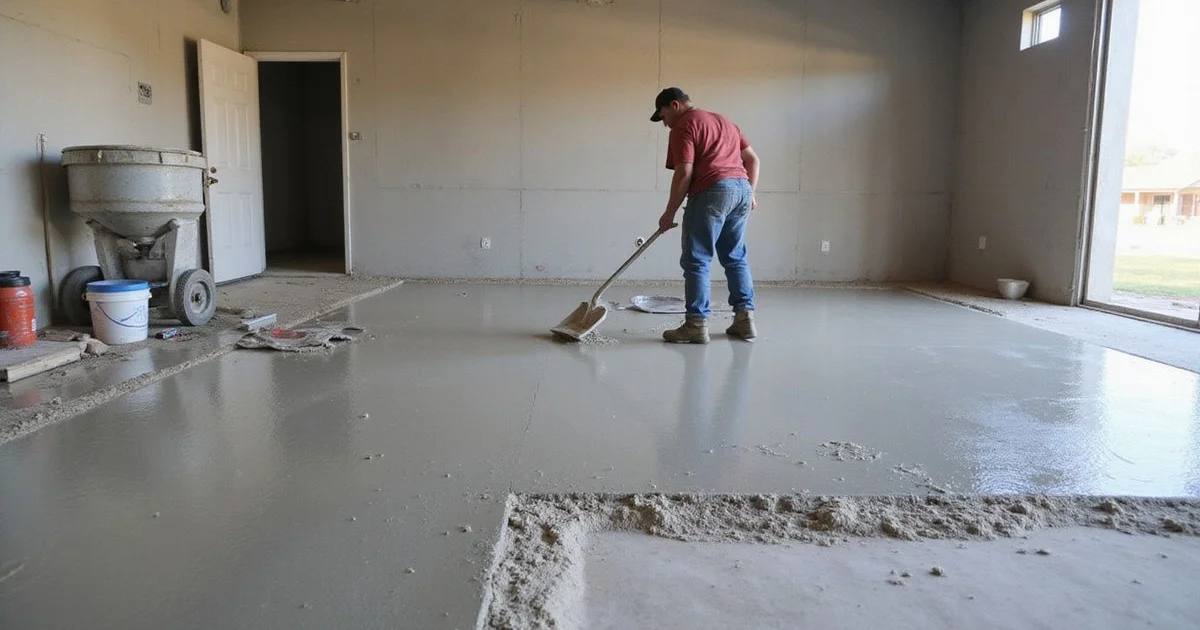
A polishable concrete overlay is a new cement topping. We pour it over your prepared slab, and it's made to grind and polish like the original concrete. We use it for one situation: when the concrete you have can't give you a floor you'd be happy with.
We say the same thing on our concrete overlays page too. An overlay isn't a step up from polishing. It's another way to get a polished look when polishing your slab as it is would let you down.
How a polishable overlay differs from other toppings
People mix these up and it costs them money, so here's the difference:
Polishable overlay. It's made to be the floor you walk on: it goes down thick enough to grind and cures hard enough to polish. It's the only one of the three we'd grind and polish as a finished floor.
Self-leveling underlayment. Gives you a flat base under another floor covering. It's great at leveling, but it isn't meant to be the top surface, and it's usually too soft to polish well.
Decorative microtopping. It's a thin coat troweled on by hand for texture and looks, and it's too thin to grind in any real way.
If a contractor suggests an overlay, ask which of the three they're quoting and whether the maker lists it as polishable. A vague answer usually means a vague result.
When we recommend an overlay
- The slab has lots of patches or trenches, or was poured in sections at different times
- The top of the slab is soft, dusty, or won't harden enough even with a chemical hardener
- Stains or contamination run too deep to remove without taking off more of the slab than you'd want
- You care more about an even look than the slab’s natural character
- An old coating has damaged the surface too much to be worth saving
Our guide on whether existing concrete can be polished explains how we check a slab for this.
What we check on the existing slab
| Check | Why it matters |
|---|---|
| Soundness | A surface that's flaking or crumbling can't hold a bonded overlay |
| Bond strength | When we have doubts, a pull test on a small spot may help us check it |
| Moisture | Moisture coming up through the slab affects how the overlay bonds and cures |
| Existing coatings | Sealers, glue, and paint usually have to come off first, often by grinding |
| Moving cracks | Cracks that are still moving can show back through the new surface |
| Floor height | The extra height has to work with doors and where floors meet |
What it looks like once polished
It usually looks very consistent. An overlay is mixed from a bagged product made to one recipe. Its color and texture tend to come out far more even than a slab poured decades ago for a different job.
Whether that's a good thing comes down to taste. People who want polished concrete for its natural variation sometimes find an overlay too even. If you want a calm, even floor over a slab with a messy past, it's often a good fit. Some products let you mix in decorative stone, so you get a planned look instead of random character.
The limits, stated plainly
An overlay resurfaces a floor. It doesn't stop one from moving.
Plenty of slabs on Central Texas clay soil move as the clay swells and shrinks. If yours does, that movement keeps going after the overlay goes down and can show back through it.
Other limits to plan for: each product has a minimum and maximum thickness, and it has to cure before we can grind it. The overlay can't be tapered thinner than that minimum, so we work out doorways ahead of time. The extra floor height also affects thresholds, door clearances, and where it meets the next floor.
If the slab looks like it's still moving, get a structural check before you pick any finish. Our guide on polishing concrete over Central Texas clay has more on that.
What the install really looks like
It helps to know this up front, because an overlay job runs differently from a straight polish. The exact steps vary by slab and product, and we go over them during the consultation.
Preparation day. Once the old flooring, glue, and any coating come off, we usually rough up the slab by grinding or shot blasting it, then vacuum it. How we handle cracks depends on whether they're still moving, and we usually fill pits and chipped spots.
Priming. Next, most products call for a bonding primer on the prepared slab. Timing matters, because with a lot of primers the overlay has to go down within a set window.
Placement. We mix the overlay in batches, pour it, then spread and smooth it. It needs to go down without a break, so we usually pour a room in one go instead of stopping and starting. At doorways and floor changes, we follow the edge plan we set up front, because the overlay can't go thinner than the product's minimum.
Curing. The overlay has to cure for as long as the maker calls for before we can grind it. Nothing happens on site during that time, so we build it into the schedule we go over with you up front.
Grinding and polishing. From here it goes like a regular slab. We grind toward the look we agreed on, apply a hardener when the product calls for one, then polish step by step toward the shine you picked.
The whole sequence usually takes longer than polishing an existing slab, because the cure sits in the middle of it. We'll go over timing during the consultation.
Care once it's down
Much like a polished slab: dust mop it, damp clean with a mild cleaner made for polished concrete, skip wax and strippers, and wipe up acidic spills fast. The one difference: the top surface is a specific product. When the job is done, we walk you through care for that product in person, and we're available after the job if you have questions or concerns.
If you doubt your slab will polish well, send photos and the rough size of the room. We'll give you a first read on whether polishing it as it is makes sense. If it does, we'll say so, because that's usually the simpler and cheaper way to go.
Every project starts with an on-site evaluation. Actual scope, pricing, and expected results depend on your specific substrate condition, environment, and project requirements. The website describes our services in general terms. Your signed proposal governs the actual work.