

Why Austin slabs move
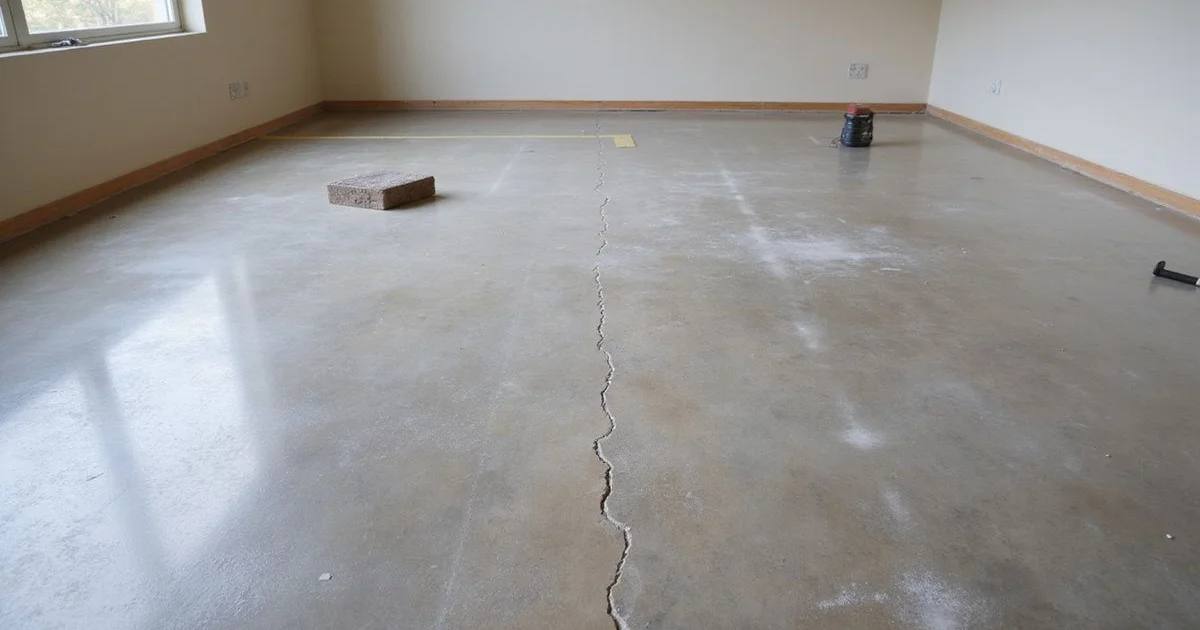
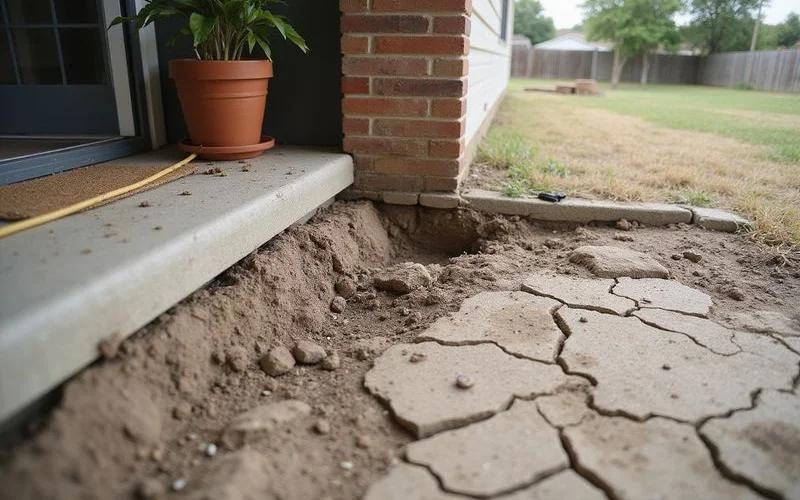
Polishing concrete on Central Texas clay means working over expansive soil that swells when it's wet and shrinks as it dries out over a Texas summer. The ground under a slab doesn't move evenly. The edges dry faster than the center, trees pull moisture from one side, and drainage changes around a property.
So different parts of the slab move by different amounts. Concrete handles being squeezed just fine but not being pulled apart, so when part of a slab is supported and part isn't, it cracks. We don't read that as bad work, because it's what a slab poured straight on the ground does in this soil.
Once you know this, the question about polished concrete in Austin shifts from “will it crack?” to “what about the cracks already there, and what if new ones show up?”
Reading the cracks in your slab
Not every crack means the same thing. When we look at a slab, we check:
Width. Hairline cracks are really common and usually just cosmetic, while wider cracks deserve a closer look.
One side higher than the other. If one side of a crack sits higher than the other, the two sides of the slab have moved by different amounts. That tells you more than width alone.
Pattern. A random web of shallow cracks near the surface usually comes from how the concrete cured. Long, fairly straight cracks are a different story. When they run corner to corner, they can point to the slab moving underneath.
Age. Clean, sharp edges suggest recent movement. Rounded edges packed with dirt point to an old crack that hasn't moved in years.
What the rest of the house is doing. Doors that stick, windows that jam, and floors you can see aren't level all point to movement that's still going on. No flooring choice will fix that.
How we treat cracks before polishing
We usually deal with cracks during prep instead of covering them up at the end. The repair method depends on the slab, and we'll go over it during the consultation.
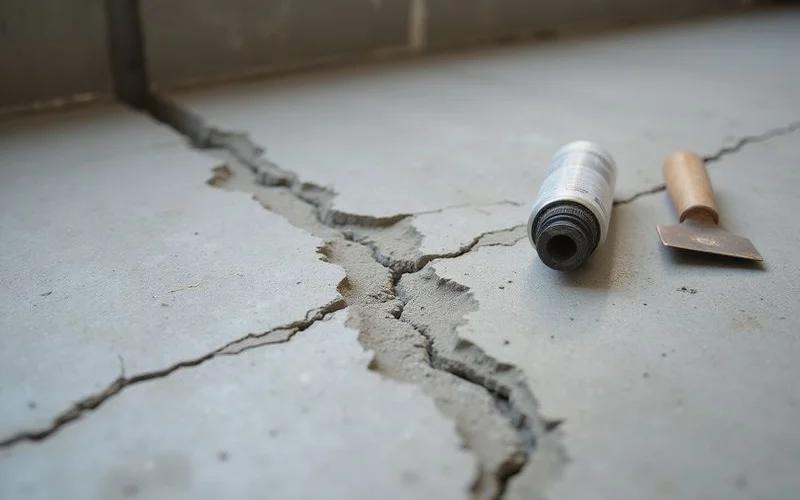
Often we open the crack up and clean it out so the filler sticks to solid concrete, not dust and debris. The filler depends on how the crack behaves. A stable crack usually gets a hard filler we can grind smooth. A crack or joint that has to carry weight and handle slight movement usually gets a firm but slightly flexible polyurea. On commercial floors, we often fill the control joints (the saw cuts in the slab) when the job calls for it, so wheels are less likely to chip their edges.
Once it's filled, we usually grind the repair level with the floor and polish it along with the rest.
What a repaired crack looks like afterward
You can still see it. The filler is a different material from your slab, so it shows as a line. Done well, that line usually looks like it belongs in the floor. It won't look like the crack was never there, and we won't tell you it will.
What polishing can and can't do
| Question | Answer |
|---|---|
| Will polishing remove existing cracks? | No. We can fill them so they look cared for, but they stay. |
| Will polishing cause new cracks? | It shouldn't. Grinding takes material off; it doesn't put stress on the slab. |
| Will new cracks appear later? | Possibly, if the soil keeps moving |
| Can a filled crack reopen? | Yes, if the slab moves again |
| Will an overlay stop movement? | No. It gives the floor a new surface, nothing more. |
| Is a cracked slab still worth polishing? | Very often, yes |
That last row matters. We polish plenty of Austin slabs with old cracks that aren't moving anymore, and many of them make really good floors. With a salt and pepper finish, where small specks of stone show, many owners come to see filled cracks as part of the floor's story.
When to stop and get a structural opinion
Get the structure checked before any finishing work if you see:
- Cracks that have visibly widened over recent months
- One side of a crack higher than the other, enough to feel with a foot or a hand
- Doors and windows sticking in the same part of the house
- Past foundation repair work, and you don't know if it held
Polishing a slab that's actively moving means paying for a finish and then watching it change. Order matters: stop the movement first, finish the floor second.
Reducing future movement around your slab
We can't control the soil, but you can help by keeping the moisture around the foundation steady. That means gutters and downspouts that work and send water away, and drainage that doesn't let water pool against the slab edge. If you already water around the house, keep it steady through the summer so the edges don't dry out completely.
None of that is a guarantee. It just makes the swings from season to season smaller, and those swings are what move the slab.
Does the season matter?
A little, and not the way people expect.
We grind and polish indoors, so the weather barely matters. The season does change where the slab sits in its yearly cycle. Central Texas clay is usually driest in late summer, when it shrinks the most and cracks are at their widest. When the fall and spring rains soak back in, the soil swells and some cracks close up.
So a crack measured in September may look different in March. That usually doesn't change how we fix it, because we pick the filler for how the crack behaves, not how wide it is that day. But it's good to know if you're comparing what we saw in one season with what you see in another.
If the slab really seems to be moving, watch the crack for a couple of months before you commit to a finish. It costs you nothing but time.
Deciding what to do next
If your slab has cracks and you want a polished floor, here's the order we'd follow. First we check the cracks, and you get a structural opinion if the signs call for one. Next, we make whatever repairs your slab needs. Then you choose between polishing the slab as it is or putting down a polishable overlay for an even look. Both can be good options, as long as you choose with all the facts in front of you. We cover whether your slab can be polished at all in our guide to polishing existing concrete.
Every project starts with an on-site evaluation. Actual scope, pricing, and expected results depend on your specific substrate condition, environment, and project requirements. The website describes our services in general terms. Your signed proposal governs the actual work.